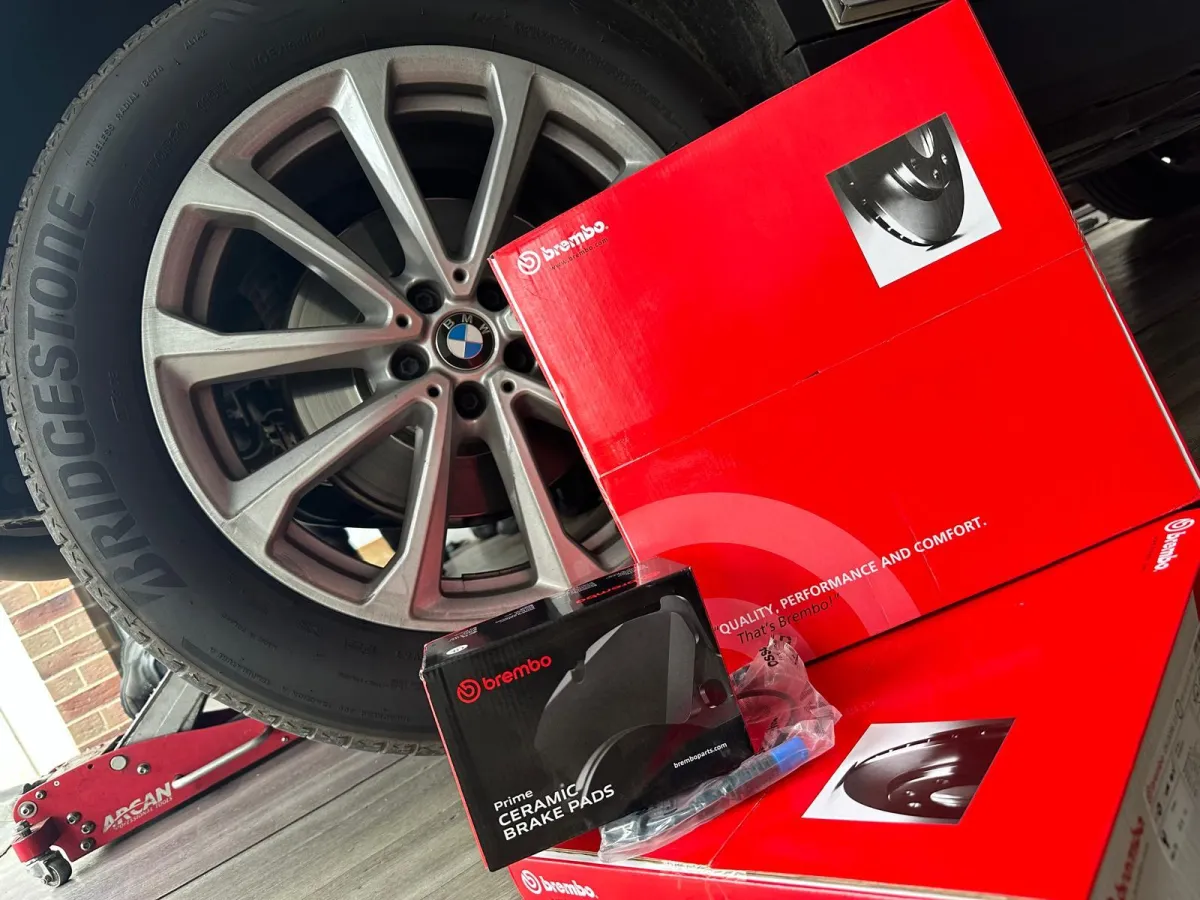
Your brake pads help your car stop safely. If they are worn out, your car may take longer to stop or make loud noises when braking. This guide shows you how to change them yourself using simple tools. You don't need to be a mechanic, just follow the steps and take your time.
Signs Your Brake Pads Need Replacing
Before you start, ensure that the brake pads actually need to be replaced. Here are some common signs:
What You'll Need
Tools
Jack and Jack stand
To lift and hold the car safely
Wheel chocks
Stop the car from rolling
Lug wrench or impact gun
To loosen wheel nuts
Socket set or wrench
To remove bolts
C-clamp or brake tool
To push the brake piston back in
Torque wrench
To tighten bolts properly
Other Items
Brake cleaner spray
For cleaning dust and dirt
Clean rags
For wiping parts
Brake grease
For metal contact points (not on pads or rotors)
Gloves and safety glasses
For protection
Zip tie, wire, or string
To hang the brake calliper
Flashlight or lamp
If you're working in a dim area
Step-by-Step Instructions
Get the Car Ready
- 1.Park on flat ground
- 2.Put the car in gear (or Park) and use the handbrake
- 3.Place wheel chocks behind the wheels that will stay on the ground
- 4.Loosen the wheel nuts slightly while the wheel is still on the ground
- 5.Lift the car with the jack and place the jack stands under it
- 6.Lower the car onto the stands and remove the wheel
Check the Brake Parts
Now that the wheel is off, take a good look at these parts:
Brake rotor (disc)
- •Should be mostly smooth
- •Deep grooves, rust, or cracks may mean it needs to be replaced
- •If you have a tool to measure thickness, check that too
Brake pads
- •If they're thinner than 3mm, they need replacing
- •Uneven wear on one side could be a problem
Brake caliper
- •Check for fluid leaks
- •Make sure the calliper can slide easily
Remove the Calliper and Old Pads
- 1. Unscrew the calliper bolts
These hold the calliper in place. Use spray oil if they're hard to loosen
- 2. Carefully lift the calliper away from the rotor
- 3. Hang the calliper using a wire, zip tie, or string
Never let it hang by the brake hose, it could get damaged
- 4. Slide out the old brake pads
Note how they were sitting. If stuck, gently pry them out with a flat screwdriver
Push the Piston Back In
Use a C-clamp or brake tool to push the piston into the calliper. Do this slowly as this makes room for the new pads.
Note: You may open the brake fluid cap to make this easier, but only if you're confident. If unsure, leave it closed and push slowly.
Clean and Grease
- Spray brake cleaner on the calliper bracket and other parts
- Wipe clean with a rag
- Apply brake grease - Only on the back of the brake pads and metal contact points. Never on the pad surface or rotor
Install the New Pads
- 1.Slide the new pads into place the same way the old ones were
- 2.Install any clips or shims if they came with your pads
- 3.Put the calliper back over the pads and onto the rotor
- 4.Tighten the calliper bolts with a torque wrench if you have one
Reinstall the Wheel
- 1.Put the wheel back on and hand-tighten the nuts
- 2.Lower the car back to the ground using the jack
- 3.Tighten the wheel nuts in a star pattern - This helps keep the wheel even
- 4.Check the brake fluid level under the hood - Add fluid if needed
Test the Brakes
- Pump the brake pedal slowly a few times - It should feel firm, not soft
- Drive slowly in a quiet area and test the brakes gently
- Listen for noises or pulling
- If something doesn't feel right, stop and check your work
When You Should Call a Mechanic
Changing brake pads is simple for many people, but not for everyone. You should get help if:
- •The rotor is cracked or worn too thin
- •The calliper is leaking or stuck
- •The brake pedal still feels soft
- •You don't feel sure about bleeding the brakes
- •The warning light stays on after the job is done
Final Words
Changing your own brake pads can save you money and help you understand how your car works. It's not a hard job if you follow the steps carefully and stay safe. Take your time, double-check everything, and don't rush.
If you're unsure about any part of the job or if something doesn't feel right during or after the work, it's always okay to ask a professional to take a look.
If you're in Melbourne, you can visit Beyana Automotive, a small, family-run workshop located in Thomastown. We've been helping local drivers with brake repairs, servicing, and general car care for over 10 years. We're known for fair pricing, honest advice, and friendly service.